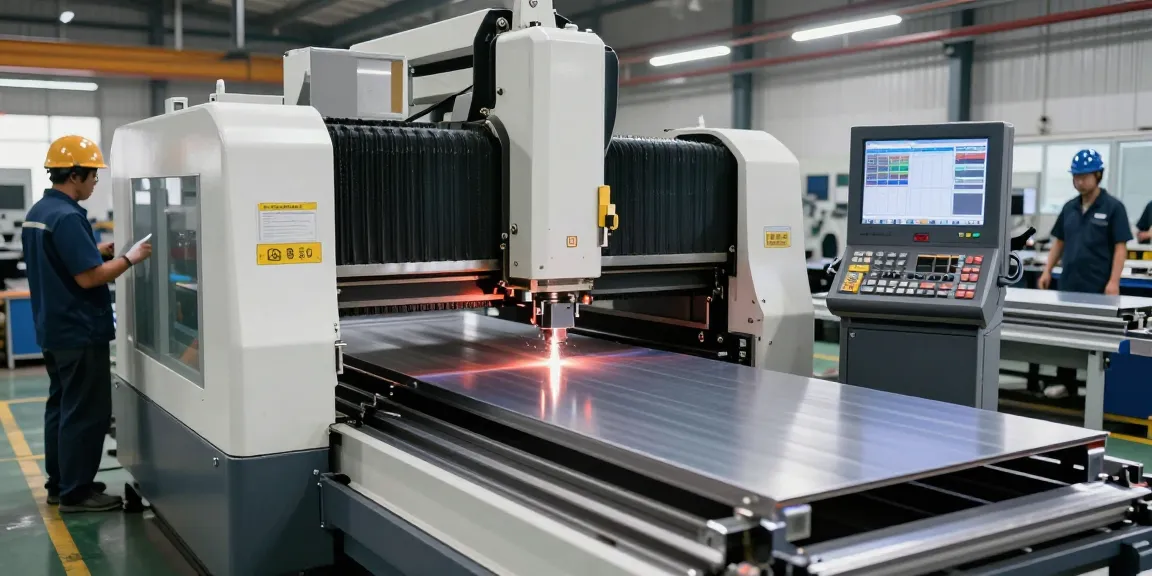
Understanding CNC Press Brake Technology
CNC press brakes are vital machines in the manufacturing industry, utilized extensively for bending and shaping metal sheets with precision and efficiency. These machines leverage computer numerical control (CNC) technology, which enhances their operational capabilities, allowing for high-accuracy production of various metal components. When exploring options, cnc press brake systems are not only scalable to suit multiple applications but also represent a commitment to modern engineering practices in manufacturing.
What is a CNC Press Brake?
A CNC press brake is a machine used for bending sheet metal. It operates under controlled parameters to precisely articulate the metal into specified angles and dimensions. This machinery forms an integral part of the production process in industries such as aerospace, automotive, and general manufacturing. The advanced iterations, like the WEK series from SC SHENCHONG, employ hydraulic systems that significantly improve their operational efficiency and outcome consistency.
Components of a CNC Press Brake
A CNC press brake consists of several core components, including:
- Frame: The structure that houses all components, ensuring rigidity and stability during operation.
- CNC Controller: The brain of the operation, enabling precise control over the bending process with options like ESA-S630, which supports multiple axes for processing.
- Hydraulic System: Provides the power necessary for bending through proportional valves that adjust ram movement.
- Bending Tools: Interchangeable dies and punches that determine the shape of the final product.
- Backgauge System: Ensures accurate positioning of the metal sheet before bending begins.
How CNC Press Brakes Function
The operation of a CNC press brake begins with the input of specifications into its control system. This CNC mechanism coordinates the hydraulic systems to adjust the position of the ram accurately. The real-time feedback loop ensures that even minor deviations are corrected swiftly, achieving an impressive consistency rate of ±0.01mm in bending precision.
Advantages of CNC Press Brakes
Precision and Accuracy in Manufacturing
CNC press brakes offer unmatched precision, crucial for manufacturing components that require tight tolerances. The ability to program intricate bending sequences and shapes ensures that each piece produced meets exact specifications. This level of accuracy eliminates the need for extensive rework and reduces material wastage.
Increased Productivity and Efficiency
By automating the bending process, CNC press brakes dramatically enhance production efficiency. Tasks that would traditionally require multiple manual steps can now be executed in a fraction of the time. The integration of features like automatic backgauges and advanced software for error detection further streamlines workflows, allowing manufacturers to meet higher demands without sacrificing quality.
Flexibility in Operations and Applications
The versatility of CNC press brakes is evident in their wide range of applications. They can handle various materials such as steel, aluminum, and titanium, adapting easily to different production requirements. The ability to produce simple bends or complex geometries with minimal setup change highlights their operational flexibility.
Configuring a CNC Press Brake for Your Needs
Essential Features to Consider
When selecting a CNC press brake, key features should be evaluated to ensure it meets specific operational requirements. Critical considerations include the machine’s nominal pressure, the length of the table, the throat depth for handling larger materials, and the precision of the CNC controller.
Customizable Options and Accessories
CNC press brakes can be equipped with an array of customizable options to suit the intricacies of the production process. For instance, the selection of hydraulic systems, tooling arrangements, and backgauge types can significantly affect performance and output. Additionally, features such as CNC table crowning improve the consistency of bends, mitigating typical challenges associated with material flexing during operation.
Integrating Automation with CNC Systems
The push towards complete automation in manufacturing is encapsulated in the integration of robotic systems with CNC press brakes. These systems can enhance productivity further, allowing for faster cycle times and greater throughput. With dedicated robotic engineers available to design tailored solutions, manufacturers can optimize their workflows with minimal human intervention.
Best Practices for CNC Press Brake Operation
Safety Protocols and Worker Protection
Operational safety is paramount in the operation of CNC press brakes. Safety measures include employing light curtains or protection doors, ensuring operators are trained to recognize potential hazards, and conducting routine safety audits. Proper gear and safety devices must be integral parts of operational protocols to protect workers from accidents.
Maintenance and Troubleshooting Tips
Regular maintenance is vital for ensuring the longevity and performance of CNC press brakes. Scheduled inspections of hydraulic fluids, checking for wear on tools, and ensuring all software is updated contribute to continuous operational efficiency. Technicians should be well-versed in troubleshooting common issues, such as calibration errors or unusual noises, to mitigate downtime.
Training for Operators and Technicians
A well-trained workforce is critical for maximizing the capabilities of CNC press brakes. Training programs should cover machine operation, maintenance procedures, and safety protocols. Additionally, familiarizing operators with troubleshooting techniques can prepare them to address issues autonomously, keeping production lines moving efficiently.
Future Trends in CNC Press Brake Technology
The Role of AI and Machine Learning
Artificial Intelligence (AI) and Machine Learning (ML) are poised to significantly influence CNC press brake technology. Enhanced data analysis will enable smart adjustments, predictive maintenance, and optimized production schedules based on historical performance metrics. These advancements herald a new era of intelligent manufacturing where efficiency and precision are further elevated.
Advancements in Energy Efficiency and Sustainability
As industries pivot towards sustainability, CNC press brakes are adapting to meet these demands. Energy-efficient designs and operations, such as hydraulic systems that minimize power consumption, are becoming standard practice. These improvements not only contribute to cost savings but also position manufacturers to comply with increasingly stringent environmental regulations.
Emerging Technologies in Manufacturing Automation
The integration of emerging technologies like IoT (Internet of Things) and advanced robotics will redefine CNC press brake operations. These technologies allow real-time monitoring of machine performance, helping manufacturers optimize workflows and conduct maintenance proactively. The focus on smart manufacturing will foster greater flexibility and responsiveness within the production process.