Understanding Image to Image Transformation
In today's digital landscape, the ability to seamlessly transform images has become a vital skill for designers and creators alike. Image to image transformation, often referred to as "image manipulation," involves altering or generating images based on existing ones, allowing for a myriad of creative possibilities. This technique is not only crucial for aesthetic enhancements but also for functional improvements in various design projects. When exploring options, image to image transformation provides comprehensive insights into how these processes can elevate your design workflow and results.
What is Image to Image Transformation?
Image to image transformation is a process that utilizes algorithms to convert one image into another, retaining some elements of the original while applying significant changes. This can involve simple edits, such as adjusting brightness and contrast, or more complex alterations like style transfer, wherein the visual style of one image is applied to another. Techniques in this area can be as straightforward as cropping or rotating, to more sophisticated methods like using neural networks for generating entirely new images based on learned patterns.
Benefits of Image to Image Techniques in Design
The benefits of incorporating image to image techniques in design are extensive. Here are some key advantages:
- Enhanced Creativity: By manipulating images, designers can explore various artistic styles and new visual narratives.
- Time Efficiency: Automated processes in image transformation can save significant time compared to manual editing.
- Improved Collaboration: Image transformation tools often allow for easy sharing and collaboration among teams, facilitating creative brainstorming.
- Consistency: Maintaining a consistent visual language across multiple assets becomes manageable through systematic transformations.
Common Misconceptions about Image to Image
Despite the growing prevalence of image to image techniques, several misconceptions persist:
- It's Only for Experts: Many people believe that complex image manipulations require extensive training, but many user-friendly tools make this accessible for novices.
- Image Quality is Always Compromised: With the right tools and techniques, it is entirely possible to enhance image quality rather than degrade it.
- Image to image is Limited to Photography: This technique spans a variety of fields, including digital art, graphic design, and branding.
Tools for Effective Image to Image Implementation
The right tools can significantly streamline the image to image transformation process. Whether you are a seasoned designer or a hobbyist, the following tools cater to various needs:
Top Software Solutions for Designers
There are numerous software options available that cater to different levels of expertise and specific requirements. Some of the top choices include:
- Adobe Photoshop: Renowned for its powerful features and flexibility, Photoshop remains a staple in image manipulation.
- GIMP: A free alternative to Photoshop, GIMP offers a wide range of features for image editing and manipulation.
- Canva: While primarily a design tool, Canva offers some image manipulation features that are user-friendly and accessible.
- DeepArt: This tool uses neural networks to apply art styles to your images, showcasing the power of AI in image transformation.
Comparing Hardware Options for Creative Work
While software is crucial, having the right hardware can enhance your productivity and efficiency. Consider the following hardware options:
- High-Resolution Monitors: Investing in a color-accurate monitor is vital for professionals in graphic design.
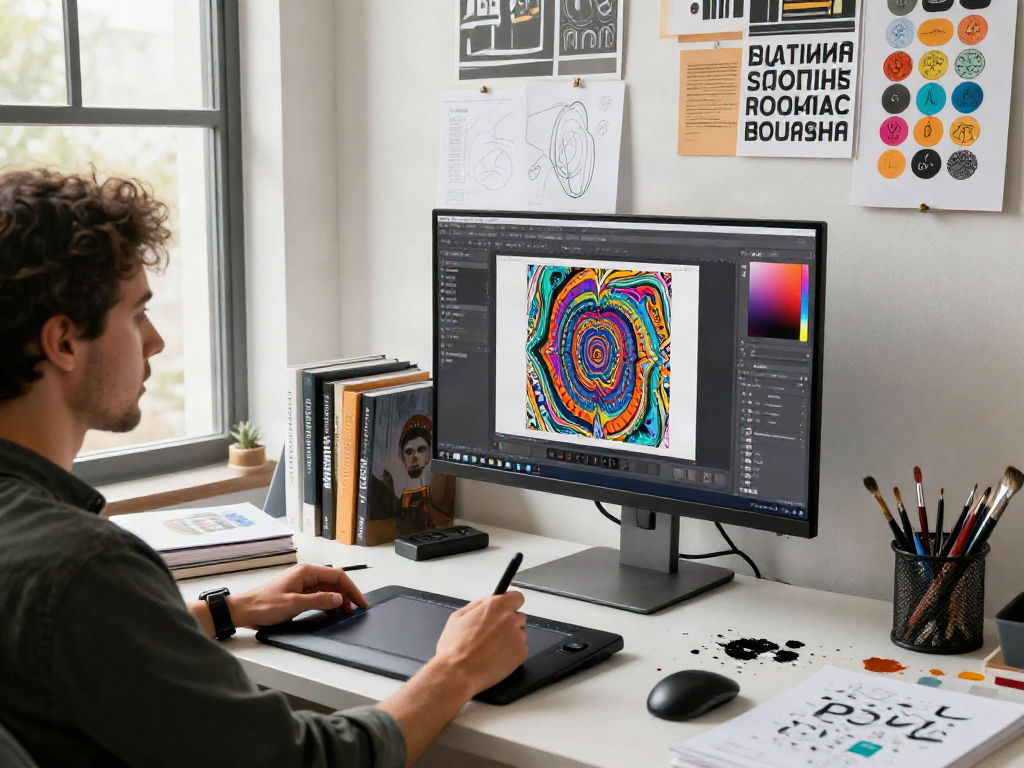
- Graphics Tablets: Devices like Wacom tablets can significantly improve precision during image editing.
- Powerful Workstations: A robust computer with high processing power and ample RAM will facilitate smoother operation of resource-intensive software.
Industry Best Practices for Setting Up Your Workspace
An efficient workspace can greatly improve your workflow. Here are some best practices:
- Ergonomics: Ensure your workstation setup is comfortable to avoid strain during long hours of design work.
- Organized Software Tools: Keep your software and tools neatly organized for easy access.
- Regular Backups: Make it a habit to regularly back up your work to avoid losing valuable designs.
Real-World Applications of Image to Image Techniques
Image to image techniques are not just confined to theoretical knowledge; their applications in various fields unveil their true potential and versatility.
Case Studies: Successful Campaigns Using Image to Image
Many brands have successfully utilized image to image transformation in their marketing campaigns:
- Fashion Industry: A clothing brand utilized style transfer techniques to showcase their apparel in various artistic styles, enhancing engagement on social media platforms.
- Real Estate: Agencies employ image manipulation to enhance property photographs, creating visually appealing listings that attract potential buyers.
Integrating Image to Image in Branding Projects
For branding projects, consistency in imagery is crucial. Image to image techniques allow brands to create cohesive visuals that resonate with their audience:
- Logo Design: Brands can take inspiration from existing logos and apply transformations to create unique yet familiar imagery.
- Marketing Materials: Utilizing a consistent image style across various materials establishes a strong brand identity.
Trends in Digital Art Utilizing Image to Image Transformations
The realm of digital art is heavily influenced by image to image techniques. Emerging trends include:
- AI-Driven Art: Artists are increasingly using AI tools to create stunning pieces that blend traditional art styles with modern technology.
- Augmented Reality: Several artists are incorporating augmented reality elements into their works, allowing interactivity and transformation of images in real-time.
Step-by-Step Guide to Mastering Image to Image
Mastering image to image transformation requires practice and a strategic approach. Here’s a comprehensive guide to help you get started:
Getting Started: Setting Up Your Software
Begin by installing the right software tools that fit your needs. Follow these steps:
- Choose the software based on your expertise level and requirements.
- Familiarize yourself with the user interface to utilize its features effectively.
- Explore tutorials or online courses specific to your software for a structured learning approach.
Techniques for Enhancing Your Images
Once you're comfortable with your tools, you can begin enhancing your images with techniques such as:
- Color Correction: Adjust hues and saturation to create visually appealing compositions.
- Layering: Use layers to build complex images without losing the original quality.
- Filters and Effects: Experiment with various filters to achieve desired visual results.
Measuring Success: Metrics to Track Your Progress
Tracking the effectiveness of your images can be done through various metrics:
- Engagement Rates: Monitor likes and shares on social media to gauge audience interest.
- Conversion Rates: Analyze how images influence sales or customer actions.
- Feedback: Gather audience feedback through surveys or comments to refine your techniques.
The Future of Image to Image in Graphic Design
As technology continues to evolve, the landscape of image to image transformation is set to rapidly change. Understanding these trends will prepare you for future developments.
Emerging Trends to Watch in 2026
Several trends are anticipated in the near future:
- Increased AI Integration: Expect increasingly sophisticated AI models capable of producing highly refined image transformations.
- Real-Time Collaboration: Innovations in cloud technology will enable teams to work together on image transformations in real time, regardless of location.
Potential Challenges and How to Overcome Them
With advancement comes challenges. Professionals must prepare to tackle:
- Quality Control: As automation increases, maintaining high-quality outputs will require a keen eye for detail.
- Ethical Considerations: The potential misuse of image manipulation raises questions about authenticity and representation in visual content.
Expert Insights on Evolving Techniques
Industry experts predict a shift towards more intuitive, user-friendly tools that rely on natural language processing and machine learning, making image to image techniques more accessible than ever. Staying updated with these advancements will empower designers to create innovative solutions that captivate audiences.